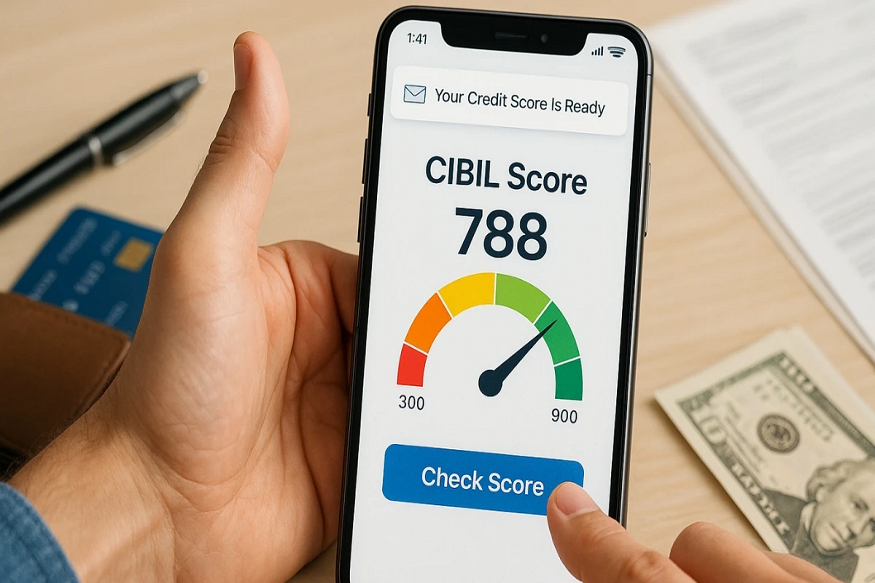

How CIBIL Score Calculators Predict Loan Rates
Navigating the world of personal finance often feels like learning a new language. You hear terms like interest rates, credit limits, and repayment tenures every day. Among these, your credit score stands out as the most influential number in your financial life. It acts as a bridge between your past behavior and your future opportunities.
Understanding how a CIBIL score calculator works can change the way you approach debt. These digital tools do more than just show a number. They provide a glimpse into how a bank might view your application. By analyzing specific data points, these calculators help you prepare for the borrowing process before you even step into a bank.
The Logic Behind Credit Score Algorithms
At its core, a credit score is a statistical summary of your reliability as a borrower. When you use a calculator to predict your loan rates, the tool looks at several key factors. The most important factor is your payment history. If you have a long record of paying bills on time, the algorithm sees you as a low risk. This usually translates to a prediction of lower interest rates.
Another major factor is your credit utilization ratio. This is the amount of credit you use compared to the total amount available to you. If you are constantly maxing out your credit cards, the calculator will likely predict a higher interest rate for your next loan. High utilization suggests that you might be overextended. On the other hand, keeping your balances low shows that you can manage your finances responsibly.
How Calculators Map Scores to Interest Rates
Lenders generally divide borrowers into different risk categories based on their scores. A CIBIL score calculator uses these same categories to estimate your potential loan costs. For instance, a score above 750 is often considered excellent. In this range, the calculator will likely show you the most competitive rates available in the market. This is because lenders compete for borrowers who have proven they can handle debt.
Read More:From Calculation to Confidence: How CIBIL Scores Reflect Borrower Behaviour
As the score drops, the predicted interest rate rises. If your score falls into the average range, the calculator might show a rate that is two or three percent higher than the prime rate. This extra cost serves as a safety net for the lender. By using a calculator, you can see exactly how much a few points on your credit score could save you in interest over the life of a loan.
The Connection Between Credit and Total Financial Health
While your credit score focuses on your debt, your overall financial health is much broader. Modern financial planning often involves balancing what you owe with what you own. For example, having a DEMAT account is a sign that you are building assets for the future. While a credit score tracks how you handle borrowed money, an investment portfolio shows that you are growing your own capital.
Many people choose to open DEMAT account early in their careers to start their investment journey. This move demonstrates a long term perspective on wealth. While a CIBIL score calculator might not directly ask for your investment details, lenders often look at your total profile. A person who manages debt well and also invests regularly is seen as a very stable candidate. This holistic view of finance helps you build a stronger foundation for any future loan applications.
Why Predicted Rates Vary Between Loan Types
It is important to remember that a calculator might show different rates for different types of loans. A home loan is secured by the property itself. Because the lender has collateral, the interest rates are generally lower. A CIBIL score calculator will reflect this by showing a tighter range of rates for mortgages. Even with a slightly lower score, you might still get a decent rate on a home loan.
Personal loans and credit cards are different. These are unsecured debts, meaning there is no asset for the bank to take if you stop paying. In these cases, your credit score becomes the primary factor in determining the rate. The calculator will show a much wider gap between the rates offered to high scorers and those offered to low scorers. Understanding these differences helps you prioritize which loans to apply for and when.
Using Predictions to Improve Your Financial Standing
One of the best ways to use a CIBIL score calculator is as a diagnostic tool. If the predicted rate is higher than you expected, you can look at the reasons why. Perhaps your credit history is too short, or maybe you have too many active loans at once. By identifying these issues, you can take steps to fix them before you actually apply for a major loan.
Read More:Revolutionize Your Investments: The Ultimate Share Market Trading App for Indian Investors
Improving your score takes time, but the rewards are significant. You might decide to pay down a specific credit card or resolve an old dispute on your credit report. As you make these changes, you can return to the calculator to see how your predicted rate improves. This creates a positive feedback loop that encourages better financial habits.
The Impact of Market Trends on Predictions
No credit score exists in a vacuum. The broader economy also plays a role in the rates you see on a calculator. When the central bank changes interest rates, every other rate in the economy moves as well. A good calculator will often stay updated with these market trends to provide the most accurate estimate possible.
Even if your score stays the same, your predicted rate might change because of these external factors. This is why it is helpful to check your standing periodically. By staying informed about both your personal score and the general market conditions, you can time your loan applications to get the best possible deal.
Taking Control of Your Borrowing Journey
A CIBIL score calculator is a powerful ally in your financial journey. It removes the mystery from the lending process and gives you the data you need to make informed choices. Instead of guessing what kind of loan you might qualify for, you can enter the bank with confidence and a clear understanding of your value as a borrower.
By focusing on your credit score and maintaining a healthy investment profile, you set yourself up for long term success. Whether you are looking to buy a new car or simply want to ensure your financial future is secure, these tools provide the roadmap you need. Start by checking your score today and use that knowledge to build a better financial tomorrow.