
From Calculation to Confidence: How CIBIL Scores Reflect Borrower Behaviour
In today’s fast-paced financial landscape, understanding one’s creditworthiness has become as important as managing the finances themselves. Among the most significant determinants of a person’s credit reliability is the CIBIL score. For many, navigating the complex waters of financial independence begins with comprehending how this score, often calculated using a CIBIL score calculator, reflects their borrowing behaviour.
What is a CIBIL Score?
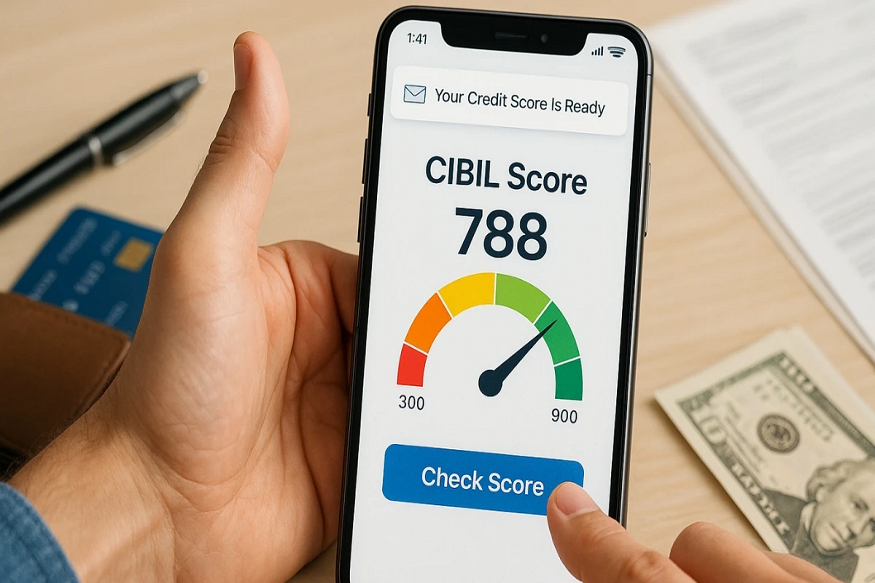
The CIBIL score is a three-digit number ranging between 300 and 900 that serves as a summary of an individual’s credit history. It is generated by the Credit Information Bureau (India) Limited, or CIBIL, which is one of India’s leading credit information companies. This score forms a critical element considered by banks and financial institutions when assessing a loan application.
A higher CIBIL score indicates responsible credit behaviour, making it more straightforward for individuals to secure loans and credit cards at favourable terms. On the other hand, a lower score might signal potential risks to lenders.
The Role of the CIBIL Score Calculator
Just as a chef relies on a recipe to craft a dish, potential borrowers use a CIBIL score calculator to get an approximation of their credit score. These calculators consider various factors such as payment history, credit exposure, and credit mix. It’s akin to getting a sneak peek before the actual movie – providing insights into where one stands financially and what improvements could be made.
Using a CIBIL score calculator can help individuals identify potential problem areas. For instance, too many unsecured loans or a missed EMI could reflect poorly on their scores. By understanding these metrics, borrowers can take corrective actions proactively, transforming mere numbers into strategies for improvement.
Understanding Borrower Behaviour Through CIBIL Scores
Payment History
Your payment history significantly impacts your CIBIL score, much like how consistent performance impacts a student’s grades. Timely payments demonstrate reliability, while defaults could hint at potential financial distress. Lenders use this to judge whether you are likely to honour future commitments.
A perfect analogy can be observed in the way landlords assess tenants. Just as a landlord might check references to ensure a tenant has a history of paying rent on time, banks use payment history to gauge creditworthiness. Remember the age-old saying: “Old habits die hard”; consistent tardiness in settling debts can be a red flag for creditors.
Credit Utilisation
This element refers to the ratio of credit used to the total credit limit available. A high percentage may imply over-reliance on borrowed funds, somewhat akin to a car running low on fuel. While the vehicle can still operate, it’s a signal to refuel soon or potentially face issues. Similarly, while borrowing isn’t inherently bad, over-dependence might signify financial turbulence.
Experts often suggest keeping your credit utilisation below 30%. Regularly checking this via a CIBIL score calculator can help ensure you’re not overstepping boundaries. It’s a proactive measure to maintain financial integrity and ensure lenders view you as a cautious borrower.
Length of Credit History
Like a well-aged wine, a longer credit history often suggests stability. Lenders prefer borrowers with a lengthy track record as it provides a more comprehensive picture of financial behaviour over time. A person with 20 years of credit history is like an open book, with each page telling a part of their financial story.
For those just starting out, establishing good habits early on can set a strong foundation. Regular assessments using tools like the CIBIL score calculator and consistent, responsible credit use can help the positive impact compound over time.
Credit Mix and Enquiries
Diversification isn’t only for investment portfolios. A healthy blend of secured loans (like home loans) and unsecured loans (like personal loans) can boost your CIBIL score. Lenders appreciate borrowers who can manage different types of credit responsibly.
However, too many credit enquiries in a short time can act as a red herring. It might indicate financial desperation, which could be off-putting to potential lenders. Like too much spice in a dish, a flurry of credit enquiries can spoil the overall appeal of your credit portfolio.
Real-World Implications of CIBIL Scores
Consider Ritu, a 30-year-old software professional eyeing her dream car. Faced with numerous financing options, her expected CIBIL score became a decisive factor. By using the CIBIL score calculator, Ritu discovered a slightly lower score than anticipated due to high credit card utilisation. By curbing her discretionary spending and prioritising debt repayment, she boosted her score within months. This enhanced her negotiating power, allowing her to secure a car loan at an appealing interest rate.
Ritu’s story is a testament to how understanding and managing one’s CIBIL score can unlock opportunities, transforming financial barriers into gateways for dreams.
How to Improve Your CIBIL Score
Timely Payments
Establishing a habit of paying bills on time is paramount. Consistent, timely payments are the cornerstone of a healthy financial profile. Automate bills where possible to avoid the pitfalls of forgetfulness.
Reduce Outstanding Debt
Take stock of your current debts and aim to reduce them strategically. Tackling smaller loans first can build momentum and confidence, making larger debts seem less daunting.
Regularly Review Credit Reports
In the digital age, vigilance is your best ally. Regularly checking your credit report can help identify discrepancies or unauthorised activities that might impact your score. Remember, errors caught early can prevent long-term damage.
Manage Credit Wisely
Avoid the temptation to open multiple credit accounts in a short period. Use credit judiciously, and remember, the goal is to demonstrate responsible behaviour. Credit is a tool, not a crutch.
Conclusion: Building Confidence from Calculation
The journey from numerical calculation to financial confidence is paved with understanding, discipline, and proactive management of one’s credit health. A CIBIL score is more than just a number; it’s a reflection of your financial habits and behaviours over time.
By leveraging tools such as the CIBIL score calculator and adhering to best practices, borrowers can transform their financial outlook. Each payment made on time, each wise credit decision, and each calculated risk contributes to a tapestry of trust and credibility, making lenders more inclined to offer favourable terms.
Ultimately, understanding your CIBIL score and managing it wisely is not just about borrowing power, but building a secure financial future. With the right approach, your path from calculation to confidence can become a journey marked by success and financial peace of mind.